Tag: Rewards

Better Map Control In Every HOK Match
Achieving a high rank in Honor of Kings requires a deep understanding of the battlefield layout beyond simple character mechanics. Many players lose matches because they fail to monitor enemy movements and secure critical areas of the Gorge. Establishing absolute dominance requires a combination of proper vision placement, efficient jungle tracking, and disciplined rotation patterns.
Mastering the Value of Vision
Keeping a constant eye on the minimap allows your squad to anticipate incoming ambushes before they happen. Placing wards and securing neutral vision birds gives your teammates the freedom to pressure lanes safely without the fear of being flanked. A well-placed signal can completely shift the outcome of an chaotic skirmish by alerting allies to nearby threats.
Understanding blind spots in the river bushes prevents unnecessary deaths during the early laning phase. Teams that prioritize visibility can easily dictate where fights occur across the map. This strategic awareness ensures that your core damage dealers can farm efficiently and reach their item spikes early.
Tracking the Enemy Jungler
Predicting the pathing of the opposing jungler is a fundamental skill that separates average players from elite competitors. By noting which side of the map the enemy starts their rotation, you can warn vulnerable lanes ahead of time. Invading their territory when their positions are exposed further disrupts their gold accumulation and map pressure.
Monitoring neutral camp timers gives your squad a major advantage when contesting objectives. If you notice the enemy committing to a distant lane, you can instantly counter-play by stealing their remaining resources. This active resource denial gradually chokes out the opposition and shrinks their safe zones.
Securing Major Objectives Dynamically
Prioritizing structural damage and neutral monsters like the Overlord ensures long-term macro success. Chasing individual kills often yields temporary advantages but rarely translates to breaking the enemy crystal. Coordinated teams always group near major objectives before they spawn to establish total zone control.
Utilizing the powerful buffs gained from neutral monsters allows your squad to siege high-ground defense towers effectively. Pushing multiple lanes simultaneously splits the enemy focus and forces them into uncomfortable defensive positions. This calculated pressure minimizes risks and leads to a predictable march toward ultimate victory.
Adapting Rotations for Late Game Success
Transitioning from separate lanes to unified group movements dictates the final moments of high-stakes matchmaking queues. Disjointed rotations frequently allow the opposition to pick off isolated players and force lopsided team fights. Moving as a cohesive unit guarantees that your frontline can protect vulnerable marksmen during chaotic clashes.
Clearing minion waves efficiently before rotating maintains constant map pressure even when your team is grouped elsewhere. This simple habit prevents the enemy from sneaking towers while you contest objectives across the map. Embracing these macro principles converts chaotic scrambles into a structured path toward ranking up.

Every Survivor Leaves A Different Legacy
In the highly competitive matches of PlayerUnknown's Battlegrounds, reaching the final circle is rarely a matter of pure luck. Every player who steps onto the battlegrounds carries a unique tactical approach, combining customized positioning, tailored inventory control, and distinct pacing. This individual variation ensures that no two matches unfold the exact same way, establishing a distinct strategic footprint for every competitor.
The Diversity of Drop Strategies
The journey of every match begins with the initial descent from the plane, a choice that immediately dictates a player's early-game philosophy. Some survivors prefer high-risk urban locations to secure top-tier weaponry quickly through immediate combat. Others choose remote compounds to gather resources methodically, minimizing early friction to protect their survival odds.
This fundamental split in drop preferences shapes the environmental dynamics for everyone else on the map. A squad that controls a major city leaves a trail of cleared buildings and spent ammunition, warning future rotators of their presence. Conversely, passive drop choices leave hidden pockets of resources that can turn the tide for struggling late-game survivors.
Pacing and the Architecture of Rotations
Movement across the shrinking map reveals the profound psychological differences between various tactical playstyles. Aggressive tacticians hunt along the blue zone border, looking to intercept vulnerable players who are fleeing the electric field. This high-pressure method requires perfect spatial awareness and rapid mechanical execution to avoid getting trapped out of bounds.
Meanwhile, patient strategists prioritize early center-circle dominance to secure defensive compounds ahead of time. By establishing a stronghold before the crowds arrive, they dictate the angles of engagement and force rivals to make desperate, open-field runs. Balancing these distinct pacing styles is essential for anticipating how opponents will migrate across the battlegrounds as the match progresses.
Combat Philosophy and Tactical Footprints
When gunfights inevitably erupt, the specific choices made during the engagement create a lasting ripple effect across the server. Elite combatants rarely shoot at every target they spot, knowing that uncalculated noise attracts third-party opportunistic attacks. They carefully measure their utility usage, deploying smoke grenades to break line-of-sight and fragmentation explosives to flush out entrenched squads.
The defensive legacy left by passive survivors can be just as impactful as an aggressive player's high elimination count. By holding crucial choke points without revealing their exact location, quiet survivors force aggressive teams to exhaust their resources prematurely. This silent pressure completely alters the closing dynamics of the final circles, proving that restraint shapes victories as much as active firepower.
The Adaptation of Mindset Under Pressure
Succeeding consistently demands a high level of mental resilience and the willingness to pivot when initial plans fall apart. When a preferred compound is already occupied or an ambush occurs, top-tier survivors do not panic. They treat the unexpected hurdle as a fresh tactical puzzle, recalculating their path using the available terrain cover.
This psychological flexibility extends into squad communication and long-term development across multiple matches. Exceptional players evaluate their errors objectively after an early elimination rather than expressing frustration. By refining their habits with every drop, they ensure that each distinct survival run contributes to their mastery of the game.

Every Baccarat Variant Offers Fresh Gameplay
Baccarat has earned a global reputation as a premier casino card game that perfectly balances sophisticated elegance with straightforward mechanics. While casual players might assume the table setups are rigid, a closer look reveals an extraordinary range of creative adaptations. Exploring these diverse formats can breathe new life into your card-playing sessions and reveal entirely new strategic dimensions.
The Direct Efficiency of Punto Banco Tables
Punto Banco stands as the most widely played and accessible variation of baccarat in modern gaming establishments globally. In this particular format, the casino acts as the bank at all times, ensuring a fast-paced environment where player choices are dictated strictly by fixed drawing rules. This predictability makes it an excellent choice for newcomers looking to understand the core mechanics without complex decision-making.
Because the dealer manages all the action, participants can focus entirely on managing their bankrolls and enjoying the flow of the game. Many digital platforms prefer this version because it translates perfectly into a smooth online format. For enthusiasts who enjoy wagering on their favorite matches, checking out a trusted provider like M88 sports can elevate your overall entertainment experience.
Testing Strategic Skill in Chemin de Fer
For individuals who prefer an active role in their gaming experience, the classic French variant known as Chemin de Fer offers unmatched excitement. Unlike standard casino formats, players take turns acting as the banker and actively competing against one another at the table. This introduces a distinct layer of strategy, as the banker decides whether to take an additional card based on the opponent's visible hands.
This version thrives on social interaction and psychological tactics, making it a favorite among traditional high rollers. The dynamic shift of responsibility around the table ensures that no two rounds feel entirely identical. If you enjoy games where decision-making directly impacts the outcome, this historic variation is well worth exploring.
Discovering the Streamlined Pace of Mini Baccarat
Mini Baccarat delivers the exact same rules and mathematical odds as the traditional game but scales down the physical environment for efficiency. It is played on smaller, blackjack-style tables with lower betting limits, making it highly accessible to casual enthusiasts. The faster dealing speed allows players to enjoy significantly more hands within a shorter time frame.
By removing the formal rituals often associated with high-stakes rooms, this version democratizes the baccarat experience for everyone. It serves as a perfect stepping stone for players who want to practice their patterns without breaking the bank. The casual atmosphere ensures a stress-free environment where you can comfortably master the fundamentals.
The Complex Dynamics of Baccarat Banque
Baccarat Banque is another historic European variation that closely resembles Chemin de Fer but features a more permanent banking role. In this version, the position of the banker is put up for auction or designated to the player willing to risk the largest stake. The bank remains with that individual until the entire shoe is dealt or their funds are completely exhausted.
This creates a highly dramatic environment where one participant holds substantial control over the table's financial momentum. The other players must collaborate or compete individually to challenge the bank's dominant position. Understanding this version gives card players a deeper appreciation for the historical roots of modern casino entertainment.
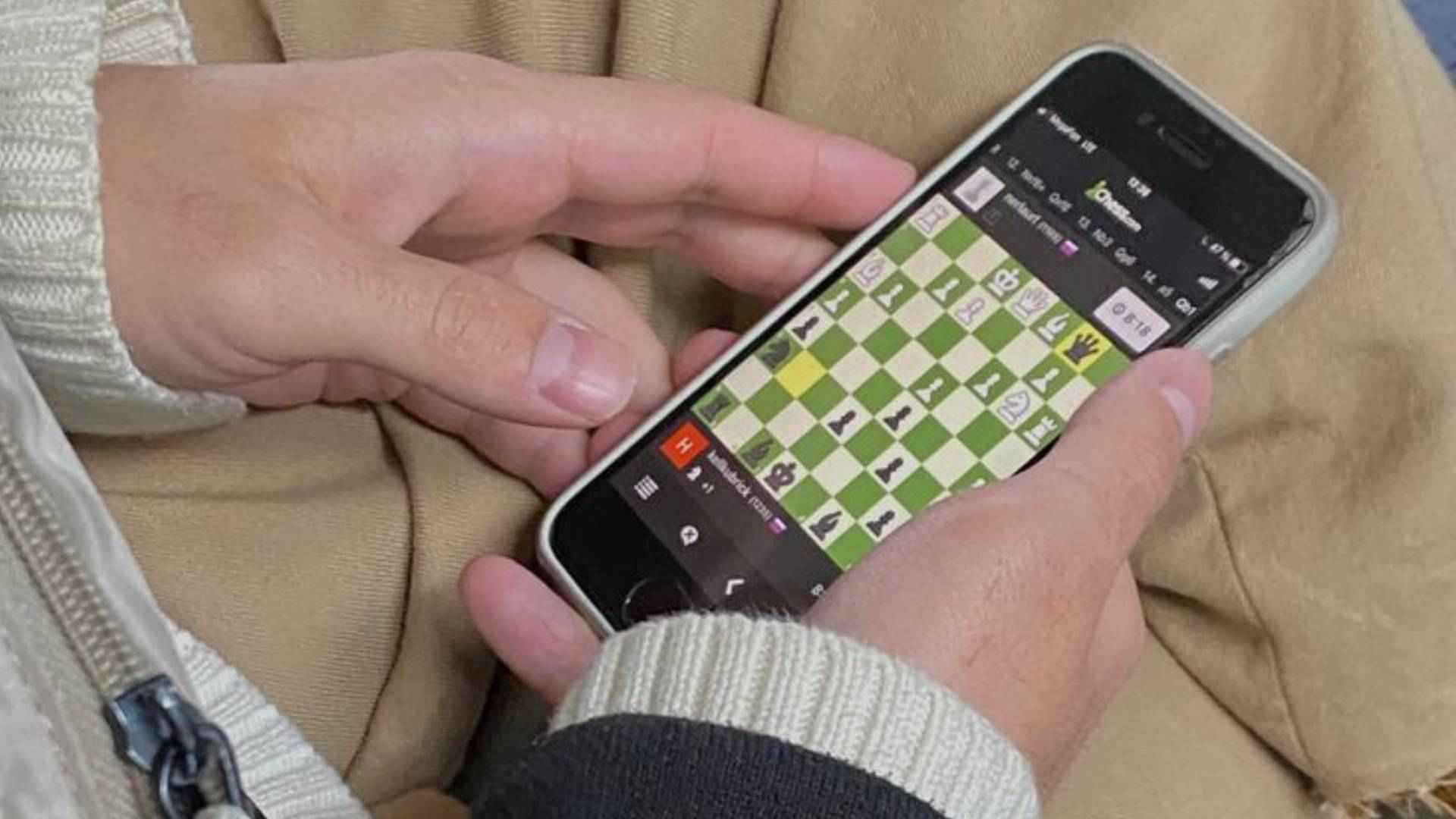
Poker Terminology That Makes Every Choice Clear
Sitting at a poker table can often feel like solving a fast-paced puzzle where every decision carries significant consequences. For many beginners and intermediate players, the primary barrier to making confident moves is not a lack of intuition, but rather a lack of clarity regarding table vocabulary. By mastering the fundamental language used during gameplay, you can accurately decode the active landscape and ensure that every strategic action you take is backed by absolute certainty.
The Core Mechanics of Real-Time Options
Every standard betting round presents a specific sequence of choices that dictate how your chips flow into the pot. Understanding when to select an option eliminates hesitation and prevents costly mistakes during high-pressure situations. When you decide to check, you are passing the action to the next active seat without risking any additional funds, which is only possible if no prior wagers have been made.
Conversely, choosing to call means you are matching the exact amount of the current highest bet to stay active in the hand. If you possess a highly favorable holding or wish to project strategic dominance, you can choose to raise by increasing the overall wager size. When the risk outweighs your potential return or your cards are mathematically weak, executing a fold allows you to surrender your hand and exit the round without losing more capital.
Evaluating Hand Structure and Board Textures
Beyond basic table actions, a player must learn how to categorize their card combinations using accurate industry concepts. A made hand refers to a holding that already possesses a distinct rank, such as a pair or a straight, requiring no further cards to win at showdown. Understanding this definition helps you judge whether to protect your current advantage or play more defensively against unfolding board metrics.
On the other hand, a drawing hand is a combination that is currently incomplete but has the potential to become incredibly strong if the right cards appear on later streets. Recognizing your exact outs, or the specific remaining cards that can complete your draw, allows you to calculate financial risks with extreme precision. This structured analytical framework transforms vague guessing into logical assessments, ensuring you understand exactly why you are continuing in a hand.
Strategic Positioning and Informational Advantages
Your physical or virtual seat relative to the dealer button dictates the entire order of action throughout a competitive match. Operating from early position means you must act first in every betting round, forcing you to make choices with zero information about your opponents' intentions. This spatial disadvantage requires a tight playing style to avoid walking into psychological traps or unexpected raises.
Succeeding from late position offers the highest tactical benefit because you can observe how every other participant reacts before finalizing your own move. Utilizing reliable platforms like the M88.com network can give you an excellent environment to practice tracking these shifting table dynamics safely. Internalizing how position shapes your operational boundaries ensures that you maintain complete clarity through every single deal.
Managing Mathematical Variance and Deception
The psychological element of the game introduces complex terms that describe tactical table behavior and emotional management. A bluff occurs when a participant executes a massive wager with an inferior hand, aiming to force opponents with superior cards to fold out of caution. Mastering the timing of this maneuver depends heavily on reading your opponents' perceived ranges rather than relying on raw emotion.
Even with advanced calculations, mathematical variance guarantees that unexpected reversals will occasionally occur at the felt. A bad beat refers to a painful scenario where a highly favored, statistically dominant hand loses to an opponent who hits an unlikely card on the final street. Recognizing this concept allows serious competitors to maintain their composure, realizing that short-term fluctuations are simply a natural part of long-term strategic success.